
5 SEO Trends to Watch in 2024
- John Carlo Cabatuan
- Sep 3, 2024
- 4 min read

As we move further into 2024, the SEO landscape is evolving rapidly, driven by changes in technology, user behavior, and search engine algorithms. Staying ahead of these trends is essential for businesses and marketers to maintain visibility, traffic, and engagement online. Here are the five key SEO trends to watch in 2024 and how to adapt your strategy accordingly.

1. AI-Driven Content Creation and Optimization
The Impact of AI on SEO
Artificial Intelligence (AI) is not just a buzzword; it's transforming SEO at every level. AI tools are enabling more sophisticated content creation, optimization, and strategy development.
Content Creation: AI tools like GPT-4 and other language models help create high-quality content faster, from blog posts to meta descriptions, social media updates, and product descriptions.
Content Optimization: AI algorithms are getting better at understanding user intent, context, and semantics. This means search engines like Google can now analyze the quality and relevance of content more accurately.
Predictive Analysis: AI can predict future search trends by analyzing vast amounts of data, enabling businesses to target emerging keywords and topics before competitors.
How to Leverage AI for SEO in 2024
Use AI Tools for Content Creation: Leverage tools like Copy.ai or Jasper to generate content ideas, drafts, and even full articles.
Focus on Semantic SEO: Create content that addresses user intent, incorporating semantically related keywords and phrases.
Analyze Data with AI: Utilize AI-driven tools for SEO audits, keyword research, and competitor analysis to gain deeper insights into your strategy.
2. The Rise of Voice Search
Understanding the Growth of Voice Search
Voice search is becoming a primary mode of search, especially on mobile devices. With more people using voice assistants like Alexa, Siri, and Google Assistant, voice search optimization is crucial.
Conversational Queries: Voice searches are often longer and more conversational, resembling natural speech.
Local SEO Focus: A significant portion of voice searches are local, such as "restaurants near me" or "closest pharmacy."
Question-Based Content: Many voice searches are framed as questions, so optimizing for questions like "How," "What," "Where," and "Why" is essential.
Tips for Optimizing for Voice Search
Target Long-Tail Keywords: Use longer, more specific keywords that reflect how people speak, not type.
Create Q&A Content: Develop FAQ pages or sections that answer common questions in your niche.
Improve Local SEO: Optimize for local searches by claiming and optimizing your Google My Business listing and including location-based keywords in your content.
3. Core Web Vitals and Page Experience
What Are Core Web Vitals?
Core Web Vitals are a set of specific factors that Google considers important for a webpage's overall user experience. They consist of:
Largest Contentful Paint (LCP): Measures loading performance. Ideal LCP should occur within 2.5 seconds of when the page first starts loading.
First Input Delay (FID): Measures interactivity. Pages should have an FID of less than 100 milliseconds.
Cumulative Layout Shift (CLS): Measures visual stability. Pages should maintain a CLS of less than 0.1.

Strategies to Improve Core Web Vitals
Optimize Images and Media: Compress and optimize images for faster loading times. Use next-gen formats like WebP.
Minimize JavaScript: Reduce the amount of JavaScript on your page to speed up loading and improve interactivity.
Enhance Mobile Usability: Ensure your site is fully responsive and offers a seamless experience on mobile devices.
4. The Growth of Visual and Video Search
Why Visual and Video Content is Crucial
Visual and video content are becoming increasingly important for SEO. Users are consuming more video content, and search engines are prioritizing pages with engaging visuals.
Visual Search: Search engines like Google are enhancing their visual search capabilities. Features like Google Lens allow users to search using images instead of text.
Video Search Optimization: Video content, especially on platforms like YouTube, is dominating SERPs. Optimizing video content for search engines is essential.
How to Optimize Visual and Video Content
Use Descriptive Alt Text: Write meaningful alt text for images to improve accessibility and help search engines understand image content.
Leverage Video SEO: Optimize video titles, descriptions, and tags with relevant keywords. Create engaging thumbnails and add transcripts to improve video discoverability.
Utilize Structured Data: Implement schema markup for images and videos to enhance their chances of appearing in rich snippets.
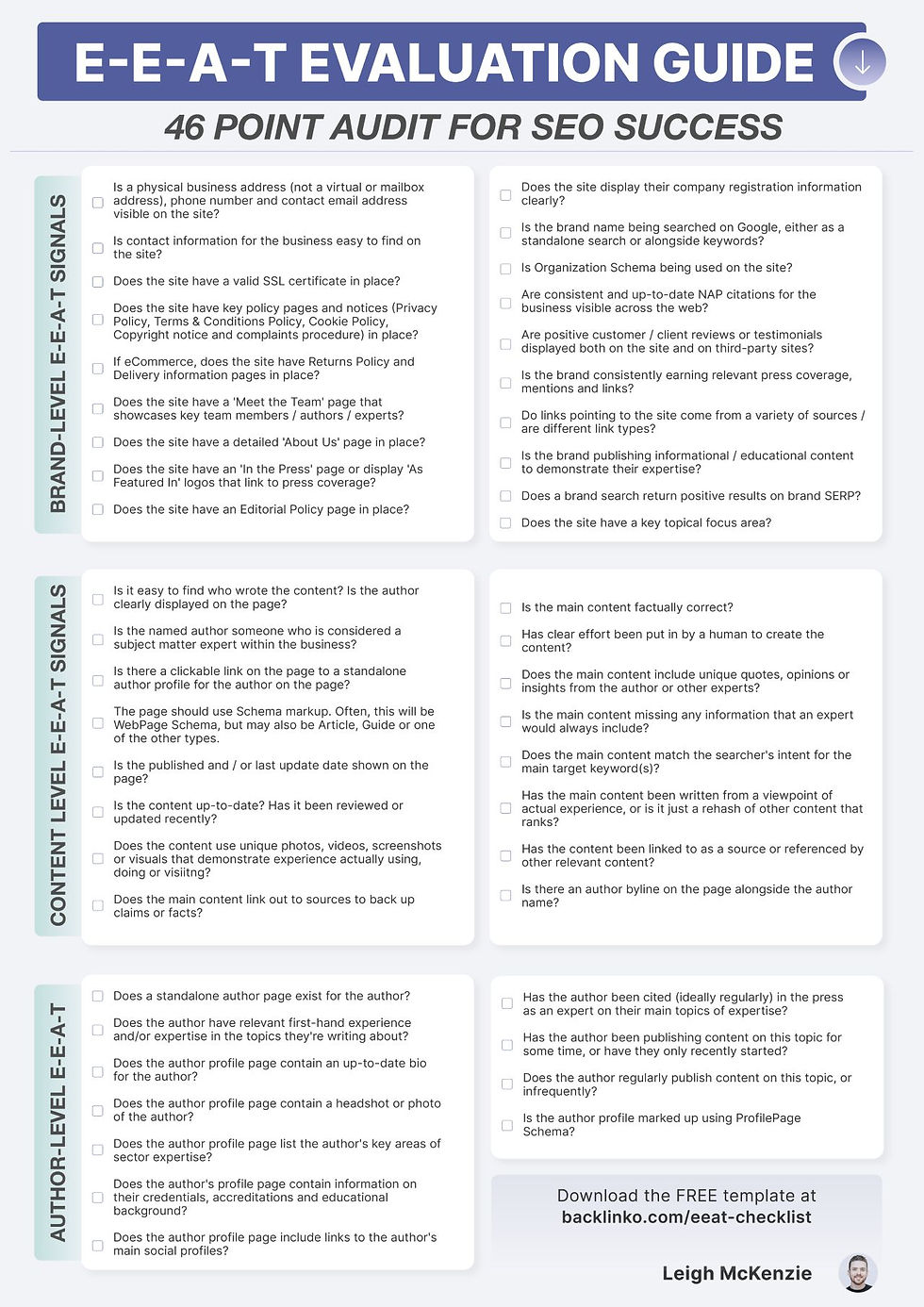
5. E-E-A-T: Experience, Expertise, Authority, and Trustworthiness
The Evolution of E-A-T into E-E-A-T
E-E-A-T stands for Experience, Expertise, Authority, and Trustworthiness. Google now emphasizes “Experience” in addition to the existing E-A-T criteria, signaling a stronger focus on content created by people with real-life experience.
Experience: Content that showcases real-life experience, such as firsthand product reviews or expert insights.
Expertise: Content written or created by knowledgeable individuals or subject matter experts.
Authority: Content that is recognized by other authoritative sites through backlinks, citations, and mentions.
Trustworthiness: Content that is transparent, accurate, and aligns with user intent.
Building E-E-A-T for Better Rankings
Showcase Experience: Publish content that demonstrates real-world experience, like case studies, detailed tutorials, or personal stories.
Build Author Profiles: Include author bios that highlight credentials, expertise, and experience.
Earn High-Quality Backlinks: Focus on obtaining links from authoritative sites within your industry.
Maintain Transparency: Ensure your website includes detailed contact information, privacy policies, and clear disclosures.
Conclusion
As SEO continues to evolve in 2024, staying up-to-date with these trends — from AI-driven content to E-E-A-T — will be vital for success. By embracing these developments, optimizing for voice and visual search, enhancing user experience through Core Web Vitals, and demonstrating expertise and trustworthiness, you can maintain and grow your online presence in a competitive landscape. Adapt your strategy to incorporate these trends, and your SEO efforts will yield sustainable, long-term results.


Comments